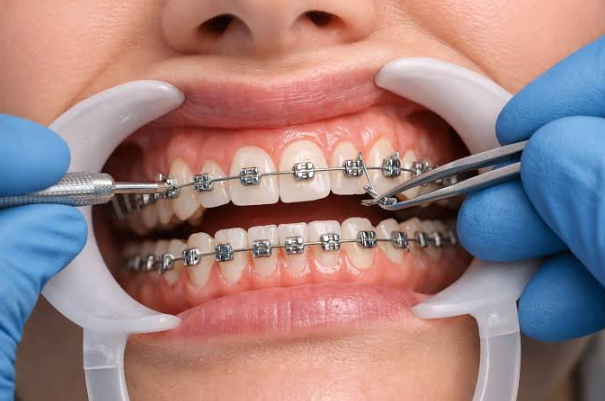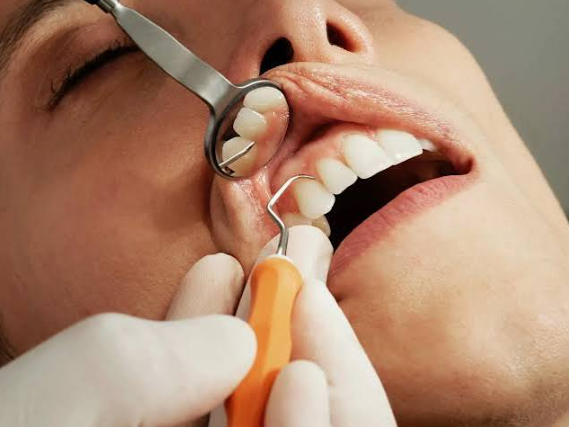

You brush, you floss when you can, and life still gets in the way. A skipped cleaning turns into a year. A little sensitivity gets ignored because it does not seem urgent. Then one day, a small issue becomes a cracked tooth, a deep cavity, or gum disease that needs more than a simple fix. That spiral is common, and it is expensive in ways that go beyond money. Seeing a family dentist in North San Antonio can help stop that pattern before it becomes a bigger problem.
Preventive care is what keeps small dental problems from becoming restorative ones. Regular exams, cleanings, fluoride, sealants, and early treatment lower the odds that you will need crowns, root canals, implants, or full mouth repair later. How Preventive Dentistry Reduces The Need For Future Reconstructive Care comes down to one simple truth. Teeth usually do not fail all at once. They break down step by step, and prevention interrupts that process early.
Preventive dentistry stops damage before it becomes restorative dentistry
Most reconstructive treatment starts with something that looked minor at first. Plaque sits along the gumline, hardens into tartar, and starts to irritate the tissue. A weak spot in enamel turns into decay. Grinding wears down a tooth until it chips. None of this feels dramatic in the beginning, which is why people wait.
That waiting period is where costs rise. A routine cleaning and exam are predictable. A crown after a broken filling is not. A small cavity can often be treated with a filling. If decay reaches the pulp, you may need a root canal and a crown. If the tooth cannot be saved, replacement options like bridges or implants enter the picture. The longer a problem sits, the fewer simple choices remain.
Preventive dental care and long term oral health are tied together because the mouth changes gradually. Dentists can often spot worn fillings, early gum recession, bite issues, and enamel loss before you feel pain. That matters because pain usually shows up after damage is already established.
Children and teens benefit too. According to the CDC, dental sealants help protect cavity prone back teeth by creating a barrier over grooves where food and bacteria collect. The National Institute of Dental and Craniofacial Research also explains that sealants are a proven way to prevent decay in molars. That kind of early protection can mean fewer fillings and less structural damage later on.
See also: How Family Dentistry Balances Oral Health With Smile Improvements
Small oral health issues become expensive when they are ignored
You may already know the pattern. A tooth feels a little off, but it settles down. Your gums bleed a bit when you floss, so you stop flossing as often. A filling falls out and you chew on the other side for a while. The problem is not only physical. Dental anxiety, time pressure, and budget strain push people to delay care, even when they know better.
Delay tends to create the very outcome people are trying to avoid. Reconstructive care often needs more visits, more numbness, more healing time, and more cost. Cosmetic concerns can grow too. One damaged front tooth can affect your smile, speech, and confidence. Missing teeth can shift your bite and put more force on neighboring teeth, which creates a chain reaction.
Fluoride is another good example of prevention doing quiet work over time. The CDC explains that fluoride helps prevent cavities by strengthening enamel and making teeth more resistant to acid attacks. That simple layer of protection can slow or stop early decay before drilling is even needed.
preventive oral care reduces major dental work because it targets the causes of damage, not just the final result. Plaque control, bite monitoring, fluoride support, and gum care preserve natural tooth structure. Once tooth structure is lost, restorative dentistry can rebuild it, but it cannot fully replace the strength of an untouched natural tooth.
Preventive care and reconstructive care carry very different costs
| Dental Need | Preventive Approach | If Delayed | Likely Impact |
|---|---|---|---|
| Early enamel weakness | Fluoride treatment, home care changes, regular exams | Cavity formation | Filling, possible future replacement |
| Deep grooves in molars | Sealants for protection | Decay in hard to clean areas | Filling or larger restoration |
| Mild gum inflammation | Professional cleaning, flossing guidance, follow up | Periodontal disease | Bone loss, loose teeth, tooth loss |
| Small crack or worn filling | Early repair or replacement | Fracture or infection | Crown, root canal, or extraction |
| Night grinding | Night guard and bite evaluation | Tooth wear and breakage | Bonding, crowns, or full restorative work |
This is why preventive dentistry matters so much in general, cosmetic, and restorative dentistry. Prevention supports appearance, comfort, and function at the same time. Cleanings help your smile look better. Early gum care protects the frame around your teeth. Bite checks can stop wear that changes the shape of your smile.
Three steps help you lower the risk of future reconstructive care
Schedule care before pain forces the decision. Pain is a late signal. If it has been more than six months since your last exam or cleaning, book a visit. If you already have sensitivity, bleeding gums, or a damaged filling, do not wait for it to become urgent.
Ask what problems are starting, not only what needs treatment today. A good preventive visit is not just about what is wrong now. Ask whether there are weak spots, early recession, signs of grinding, or old restorations that may fail soon. That gives you a chance to plan instead of react.
Protect the teeth that are hardest to maintain. Molars, previous dental work, and teeth under heavy bite pressure often need extra attention. Sealants, fluoride, a night guard, and targeted hygiene routines can save a lot of natural tooth structure over time.
Protecting your teeth now preserves more choices later
If you have been putting off dental care, you are not alone, and you are not stuck. Most people do not need perfection. They need a realistic plan that catches problems early and keeps treatment manageable. That is the real value of prevention. It reduces surprises, protects your natural teeth, and lowers the chance that you will need larger reconstructive procedures later.
If you are due for care, schedule an exam and cleaning and ask what preventive steps make sense for your teeth now. General, cosmetic, and restorative dentistry works best when prevention comes first.