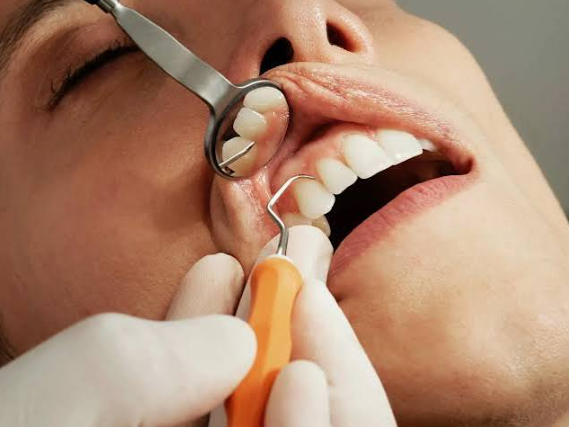

You may have put off the appointment because the issue feels split in two. One part is health. Maybe your gums bleed when you floss, a molar hurts when you chew, or your child is overdue for a cleaning. The other part is your smile. You notice stains in photos, a chipped edge, or teeth that never looked the way you wanted. Both concerns matter, and most people do not want to choose between a healthy mouth and a smile they feel good showing. If you are looking for a dentist in Eastpointe, MI, you should not have to choose.
That is where family and cosmetic care often meet. Good dentistry does not treat appearance like a separate vanity project, and it does not treat oral health like a checklist with no room for confidence. The goal is to protect teeth and gums first, then improve shape, color, and balance in a way that supports long term function. How Family Dentistry Balances Oral Health With Smile Improvements comes down to one idea. The best smile work lasts longer and looks better when the foundation is healthy.
Family dentistry and cosmetic dentistry work best when they support each other
A lot of people assume a family and cosmetic dentist handles two unrelated jobs. In real life, the overlap is constant. A child may need sealants and fluoride to prevent decay, while a parent wants whitening and bonding before a wedding. An older adult may need a crown that restores a cracked tooth, but also wants it to match the rest of the smile. These are not competing goals. They are part of the same treatment picture.
When oral health comes first, cosmetic results tend to be safer and more stable. Whitening over untreated cavities can lead to more sensitivity. Veneers placed on teeth with active gum disease can look fine at first, then fail because the tissue around them changes. Even a simple bonding repair works better when bite pressure, enamel strength, and gum health are checked first.
This is why a family dental visit often starts with exams, X-rays when needed, gum evaluation, and a conversation about habits at home. The American Dental Association offers practical guidance on daily home care, and those basics matter more than people expect. Brushing, flossing, diet, dry mouth, clenching, and missed cleanings all shape what cosmetic options make sense and how long results will last.
Smile improvements are stronger when underlying dental problems are treated first
You can usually feel when something has been patched instead of solved. Teeth are no different. If a tooth is dark because of internal damage, whitening alone may not fix it. If front teeth look uneven because grinding has worn them down, bonding can help, but the grinding also needs attention or the edges may chip again. If you want straighter looking teeth, crowding and bite alignment may affect whether contouring, clear aligners, or restorative work is the better path.
This balanced approach also protects your budget. Cosmetic treatment done before decay, gum inflammation, or bite issues are controlled often leads to rework. That means more appointments, more cost, and more frustration. You were trying to fix one problem and ended up managing three. A dentist who sees the full picture helps prevent that cycle.
There is also the emotional side. People often feel embarrassed bringing up cosmetic concerns when they think the dentist will dismiss them. They are just as likely to feel ashamed of neglecting cleanings while asking for a better smile. Both feelings are common. A good plan makes room for both. You can care about pain, gum health, and function, and still want whiter or more even teeth. That is not shallow. It is human.
Professional smile care gives you safer options than one size fits all products
Some smile improvements are simple, conservative, and worth discussing early. Whitening is a common example, but it still needs judgment. Tooth color changes for different reasons, and not every stain responds the same way. The ADA explains the range of tooth whitening options, including the fact that some products can cause sensitivity or gum irritation if used the wrong way.
Cosmetic family dentistry often includes whitening, bonding, enamel contouring, tooth colored fillings, crowns that blend naturally, and plans that coordinate restorative work with appearance. Sometimes the most effective cosmetic improvement is replacing an old metal filling on a visible tooth. Sometimes it is a night guard that stops wear and preserves the shape you already have. The point is not to do more. It is to do what fits your mouth.
Comparing common smile improvement choices with oral health needs
| Option | Best For | Oral Health Check First | Main Tradeoff |
|---|---|---|---|
| Professional whitening | Surface and age related staining | Cavities, gum irritation, existing restorations | May cause temporary sensitivity, does not change crowns or fillings |
| Bonding | Small chips, gaps, uneven edges | Bite pressure, grinding, enamel condition | Can stain or chip over time |
| Tooth colored fillings | Decay repair in visible areas | Depth of decay, moisture control, bite fit | Not every cavity is suited to the same material |
| Crowns | Broken, weak, or heavily restored teeth | Root health, gum support, overall structure | More tooth preparation than bonding or fillings |
| Night guard | Grinding related wear and fractures | Bite analysis, jaw symptoms | Protects teeth but does not change color or alignment |
Small steps make family dental care and smile goals easier to manage
Start with the health issues that affect comfort and stability. If something hurts, bleeds, traps food, or feels loose, address that first. Pain and infection do not wait nicely while you focus on appearance. Once the mouth is stable, cosmetic choices become clearer and more predictable.
Ask for a phased plan. You do not need to do everything in one visit or one season of life. A clear plan might begin with cleaning, fillings, or gum treatment, then move to whitening or bonding later. This works well for families balancing school schedules, insurance limits, and real budgets.
Match home care to the work you want to protect. If you invest in whitening, cut back on the habits that darken teeth again. If you repair chipped edges, wear the night guard that protects them. If your child is getting preventive care, build routines that make future treatment less likely. Consistency at home does more for lasting results than people think.
See also: Personal Branding for Business Owners: A 2026 Guide
Balanced dental care supports both confidence and long term oral health
A stronger smile is not just about looks, and oral health is not just about avoiding pain. They affect each other every day when you eat, speak, laugh, and show up in photos without thinking about your teeth first. Dental care for healthy and attractive smiles works best when prevention, repair, and appearance are planned together.
If you have been putting off care because your needs feel mixed, that is a good reason to schedule a visit, not a reason to wait longer. A family and cosmetic dentist can help you sort out what needs treatment now, what can wait, and what will give you the most lasting improvement.