
You bring your pet in because something feels off. Maybe there is vomiting, drooling, shaky walking, itchy skin, trouble breathing, or a sudden change in behavior that does not fit your pet at all. At North West San Antonio animal hospital, your veterinarian may ask about weed killers, ant bait, flea products, bug sprays, or whether the lawn was treated recently. In that moment, the question can feel random or even a little alarming.
It is a fair question, and it often matters more than people expect. Pets walk across treated grass, lick their paws, nap on floors cleaned with chemical products, chew on plants, and sniff corners where insects hide. A small exposure can cause mild stomach upset in one pet and a medical emergency in another. That is why why your vet may ask about lawn treatments and household pesticides comes down to one thing. Exposure history helps your veterinarian connect symptoms to a possible cause quickly, which can change treatment decisions right away.
Pesticide exposure can look like many other health problems
The hard part is that pesticide exposure does not always announce itself clearly. A pet who got into slug bait may seem tired at first. A dog who walked on a treated lawn and licked its feet may start with drooling or vomiting. A cat exposed to the wrong flea product may twitch, hide, or stop eating. Those signs overlap with dozens of other problems, from stomach bugs to pancreatitis to seizures.
This is where details from home matter. If your dog was in the yard the same day the grass was sprayed, that changes the list of likely causes. If your cat sleeps in the garage near rodent bait, that matters too. If you used a fogger, roach spray, or garden treatment over the weekend, your veterinarian needs that timeline. The goal is not to blame you. The goal is to avoid losing time.
You may not even think of some products as pesticides. Flea and tick preventives, ant traps, lawn weed treatments, mosquito yard sprays, rodent poison, snail bait, termite products, and some plant treatments all count. That is one reason a discussion about pet safety and lawn chemicals often comes up in a general veterinarian visit, even when the appointment was scheduled for vague symptoms.
Small details about your home can shape treatment decisions
Veterinarians use history the same way they use an exam. The product name, active ingredient, amount, and timing can point them toward decontamination, bloodwork, seizure control, IV fluids, or simple monitoring. Without that context, care can become slower and more expensive because the symptom list is broad.
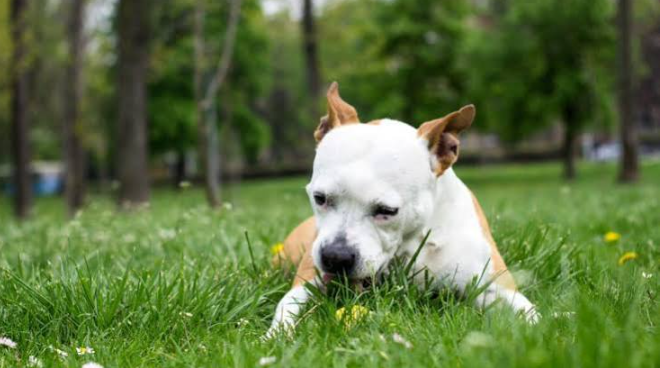
A common example is paw licking after a lawn treatment. A pet may only have mild stomach upset, but if the product was applied that morning and the label says to keep animals off the area until it is dry, the exposure becomes more meaningful. The U.S. Environmental Protection Agency advises pet owners to read the label first to protect pets, because labels explain where pets should be kept, how long they should stay away, and what protective steps matter.
Indoor exposures can be even easier to miss. A bait station hidden under a sink, a floor spray used along baseboards, or a carpet treatment for fleas may seem out of reach, but pets live nose first. They investigate crumbs, corners, and residue you barely notice. That is why household pesticide risks for pets can come up even when your pet never goes into the yard.
Common household and lawn pesticide concerns for pets
| Exposure source | How pets encounter it | Possible signs | What helps your vet |
|---|---|---|---|
| Lawn weed or insect treatments | Walking on grass, licking paws, chewing treated plants | Drooling, vomiting, skin irritation, lethargy | Application date, product name, when the lawn dried |
| Flea and tick products | Topical overuse, wrong species product, contact with another treated pet | Tremors, twitching, vomiting, agitation, weakness | Brand, dose, where applied, whether it was dog or cat specific |
| Rodent bait | Direct ingestion, catching a poisoned rodent | Bleeding, weakness, bruising, seizures, collapse | Type of bait, amount missing, time of access |
| Ant, roach, or bug sprays | Licking residue from floors, baseboards, or paws | Drooling, vomiting, coughing, irritation | Where used, how much was used, ventilation, cleanup steps |
Flea and tick products deserve special attention because many are safe when used exactly as directed, but problems happen when pets get the wrong species formula or multiple treatments are layered together. The EPA has guidance on controlling fleas and ticks on your pet that can help you use these products more safely.
Practical steps can reduce risk before and after an exposure
You do not need a perfect memory, but a few habits make a real difference. Save the packaging when you use lawn or bug control products. Take a photo of the label. Keep pets away from treated areas for the full label time, not just until the smell fades. Wash paws if your pet may have crossed a freshly treated surface. If your pet seems sick and you suspect exposure, bring the product name or a label photo to the appointment.
The EPA also shares basic pesticide safety tips that apply well to homes with pets, especially around storage, ventilation, and keeping products in original containers.
Three steps you can take right now
1. Make a quick product list. Write down any lawn, pest control, rodent, flea, or garden products used in the last 30 days. Include the date and where each one was used. If your pet gets sick, you will not be trying to remember under stress.
2. Watch for timing patterns. If symptoms started after a yard treatment, indoor spray, or flea application, note the timing. Even rough details like “same day” or “the next morning” can help your veterinarian narrow the cause faster.
3. Bring the label or a photo. Product names matter, but the active ingredient matters more. A clear photo of the front and back label can save time and help guide treatment.
Your veterinarian asks because the answer can change care
If your veterinarian asks about lawn care products or bug control at home, it is not a side question. It is part of finding the cause of what your pet is feeling and deciding what to do next. A simple detail from your yard, garage, or laundry room can explain symptoms that otherwise look unrelated. That is the everyday work of a general veterinarian, finding the piece that makes the whole picture make sense.
If your pet is acting strangely, seems sick after a lawn or household treatment, or you are unsure whether a product was safe, contact your veterinary clinic as soon as you can. Early information helps your pet get the right care faster.