ByJohn A
6 Ways To Protect Your Teeth During High Stress Periods
You can usually tell when stress has settled into your body. Your shoulders stay tight, your sleep gets lighter, your patience gets shorter, and small routines start slipping. Brushing feels rushed. Water gets replaced with coffee. You wake up with a sore jaw and do not remember clenching at night. Your teeth often feel the pressure before you fully admit how overloaded you are. This is something many patients discuss when visiting a Moline, IL family dentistry practice.
Stress does not just affect your mood. It can lead to grinding, jaw pain, dry mouth, skipped hygiene, sugar cravings, and gum irritation. If you are trying to hold everything together, dental care can end up low on the list until a cracked tooth, tooth sensitivity, or bleeding gums forces your attention. Protecting your teeth during stressful times usually comes down to a few steady habits that reduce damage before it turns into a bigger problem.
Stress changes your mouth faster than most people expect
High stress often shows up in the mouth in quiet ways first. You may clench your jaw while driving, answering emails, or trying to fall asleep. That pressure wears down enamel, strains the jaw joint, and can leave you with headaches that seem unrelated until the pattern becomes obvious. According to MedlinePlus information on teeth grinding, grinding and clenching can damage teeth and cause jaw pain, especially when it happens often or during sleep.
Dry mouth is another common problem. Stress, mouth breathing, and some medications can cut down saliva, which matters more than many people realize. Saliva helps wash away food particles and acids. Without enough of it, cavities can form more easily and your mouth can feel sticky or sore. The National Institute of Dental and Craniofacial Research explains dry mouth and how it raises the risk of decay and infection.
Then there is the part people rarely say out loud. When you are stretched thin, you may snack more, brush less carefully, or put off that cleaning because one more appointment feels impossible. A short stressful season can turn into a dental problem that costs time, money, and comfort later.
See also: Personal Branding for Business Owners: A 2026 Guide
The six best ways to protect your teeth during high stress periods
First, pay attention to clenching. Many people do it during the day without noticing. Relax your jaw, keep your teeth slightly apart, and let your tongue rest gently behind your top front teeth. That small reset can reduce pressure.
Second, do not skip the basics even when your routine feels messy. Brush twice a day with fluoride toothpaste and clean between your teeth once a day. Perfection is not the goal. Consistency is.
Third, protect your enamel from stress eating and stress drinking. Sipping soda, energy drinks, or sweet coffee for hours keeps acid and sugar on your teeth. If you reach for comfort snacks, try to have them with meals instead of constantly grazing.
Fourth, keep your mouth hydrated. Drink water often, especially if stress has you relying on caffeine or if a medication leaves your mouth dry. Sugar free gum can also help stimulate saliva.
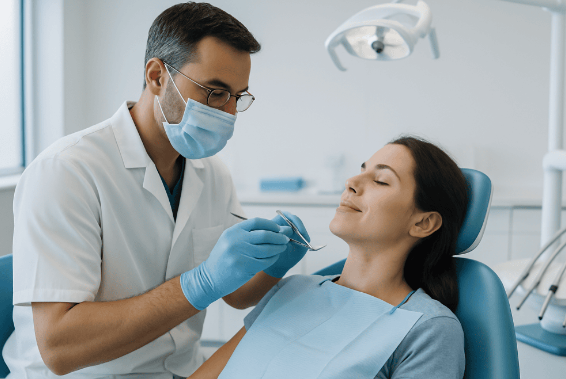
Fifth, take jaw pain seriously. If you wake up with facial soreness, chipped teeth, or morning headaches, your mouth may need more support than habit changes alone can provide. A general dentist can check for wear, bite issues, and signs of nighttime grinding.
Sixth, keep regular dental visits on the calendar. Stress has a way of making people postpone care right when they need it most. Small problems are easier and less expensive to treat early.
Daily habits and professional care work best together
Home care does a lot, but it has limits. If stress is causing constant clenching, no amount of careful brushing can stop that force from damaging a tooth. If dry mouth is severe, water helps, but you may still need a plan tailored to the cause. Stress related dental care often works best when you pair simple habits at home with a professional evaluation before pain becomes the reason you finally book the appointment.
| Concern | What you can do at home | When a dentist should step in |
|---|---|---|
| Jaw clenching or grinding | Jaw awareness, stress reduction, avoiding gum chewing, warm compresses | Morning headaches, tooth wear, jaw pain, chipped teeth, sleep grinding |
| Dry mouth | Drink water, limit alcohol and caffeine, use sugar free gum | Ongoing dryness, bad breath, mouth sores, frequent cavities |
| Skipped oral hygiene | Set phone reminders, keep a toothbrush visible, simplify your routine | Bleeding gums, plaque buildup, sensitivity, swelling |
| Stress snacking and acidic drinks | Choose lower sugar options, eat at set times, rinse with water after acidic drinks | New sensitivity, visible enamel wear, repeated decay |
Three steps you can take today to protect your oral health
Build a two minute fallback routine. On hard days, make the goal small enough that you will actually do it. Brush for two minutes before bed, floss one area if a full floss feels like too much, and drink a glass of water after. A stripped down routine still protects your mouth better than doing nothing.
Track the signs your teeth are under stress. Notice whether you wake up with jaw soreness, catch yourself clenching at work, or feel your mouth getting dry in the afternoon. Those details help connect the dots early. They also give your dentist a clearer picture if you need care.
Schedule care before there is an emergency. If you have been putting off a visit, book it now while the problem may still be small. A general dentist can spot wear, decay, gum inflammation, and bite issues before they become painful and expensive.
Protecting your teeth during stressful times starts with small steady choices
You do not need a perfect routine to protect your mouth. You need a few habits that hold up when life feels heavy. Drink more water, keep brushing and flossing, cut down on constant sugar and acid, and pay attention to clenching before your teeth pay the price. If stress has already started to show up as jaw pain, sensitivity, or dryness, professional dental care can help you get ahead of it and protect your long term oral health.
Stress may not ease overnight, but the damage it causes to your teeth does not have to keep building. If your mouth has been showing signs of strain, schedule a visit with a dentist and get a clear plan for relief and protection.