ByJohn A
The Importance Of Color Matching When Updating Older Dental Work
You may have noticed it in bright bathroom light, in photos, or when you catch your reflection mid conversation. An older crown, filling, or bonding that once blended in now looks darker, flatter, or just off. That mismatch can feel small until it starts pulling your eye every time you smile. If you are thinking about replacing older dental work, working with a dentist in Carmel, IN, color matters more than most people expect, because even strong, functional restorations can look distracting when the shade no longer fits the rest of your teeth.
The importance of color matching when updating older dental work comes down to more than vanity. Teeth change over time. Natural enamel can darken, thin, or pick up stains. Older materials may not reflect light the same way modern ones do. A repair that technically “works” can still stand out, and once you see it, it is hard to ignore. A family and cosmetic dentist looks at both function and appearance so your updated dental work feels natural in everyday life, not just in the dental chair.
Older dental work often changes faster than your smile around it
Many older fillings and crowns were made with materials that do not mimic enamel as well as newer options. Some metal based restorations can create a dark edge near the gums. Older tooth colored fillings may stain, lose polish, or shift in shade. The result is a smile where one tooth looks flat or gray while the others still have depth and warmth.
That mismatch often gets worse in stages. At first, you only notice it in certain light. Then it shows up in every photo. Then you start smiling with your lips closed. The stress is real, especially when the old dental work is in a front tooth. You may also worry that replacing it will make things look even less natural if the new work is too white or too opaque.
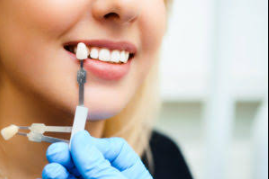
That concern is valid. Good shade selection is not about picking the brightest option. It is about matching hue, value, translucency, and the way light moves through the tooth. Natural teeth are not one flat color. They have subtle variation from the gumline to the edge. That is why matching dental restorations to natural teeth takes planning, material selection, and an eye for detail.
See also: The Role Of Animal Hospitals In Chronic Disease Management
Modern materials make better color matching possible
Dental materials have improved, and that gives you more options when replacing older restorations. The National Institute of Dental and Craniofacial Research explains the different types of restorative materials used in fillings and repairs, including tooth colored composites and other options that can blend more naturally with enamel. You can review that guidance here: dental fillings information from NIDCR.
Material choice affects how the final result looks after you leave the office, after you have coffee, and after a few years of normal wear. A restoration can match on day one and still fail visually later if the material stains easily or does not hold its surface polish. Research on dental materials continues to show why surface texture, translucency, and color stability matter in long term results. This NIDCR dental materials overview offers a useful summary of the properties dentists consider.
There is also a practical side. If an old filling is leaking, worn, or breaking down, replacing it for health reasons may already be on the table. In that case, improving the shade match at the same time often makes sense. You are not choosing between health and appearance. In many cases, you can address both together with the right treatment plan.
Color matching affects confidence, cost, and how often work needs to be redone
When color matching is rushed, people often end up paying twice. A repair that feels “good enough” in the office can look obvious outside, and then the restoration gets replaced again sooner than expected. That means more time, more expense, and more frustration. A careful approach usually costs less in the long run because it avoids redoing visible work for cosmetic reasons alone.
Clinical literature also supports the idea that appearance is part of successful restorative care, especially in visible areas of the mouth. This published review on restorative dental materials and outcomes discusses how material properties influence esthetics and performance.
Updating old fillings and crowns is often most successful when your dentist evaluates the whole smile, not just the one tooth in question. If the neighboring teeth are stained, worn, or already restored, matching one crown in isolation may not produce the result you want. Sometimes a simple whitening plan before replacement helps create a stable target shade. Sometimes it is better to update a small group of visible restorations together so the final look is consistent.
Practical differences between older and newer restorations
| Factor | Older Dental Work | Updated Restoration |
|---|---|---|
| Shade blend | May look gray, dark, or too flat next to natural teeth | Can be matched more closely to current tooth color and translucency |
| Light reflection | Often less natural, especially with older materials | Modern materials can reflect light more like enamel |
| Edge appearance | Dark margins or visible lines may develop over time | Cleaner margins and smoother transitions are often possible |
| Color stability | More likely to stain or lose polish | Depends on material, but many newer options resist discoloration better |
| Long term satisfaction | Function may remain, but appearance often becomes the concern | Better balance of strength and natural appearance |
Three steps you can take before replacing visible dental work
Ask for a full shade evaluation. Do not settle for a quick glance. Shade matching should account for surrounding teeth, lighting, and the location of the restoration. Front teeth need a different level of detail than a back filling.
Discuss whitening before new restorations. Natural teeth can be whitened, but crowns and fillings do not respond the same way. If you want a brighter smile overall, whitening first can help your new restoration match your future smile instead of your current one.
Choose a dentist who blends cosmetic and family care. A general fix is not always enough in visible areas. A family and cosmetic dentist can look at bite, material strength, and appearance together, which lowers the chance of getting a repair that is functional but visually distracting.
Older dental work does not have to keep drawing attention when you smile. The right update should look like it belongs there, feel comfortable, and hold up in daily life. If you are ready to talk through your options for dental care, crowns, fillings, or bonding, schedule a visit with a family and cosmetic dentist and get a plan that fits both your teeth and your confidence.