ByJohn A
How to Choose a Timeless Handbag for Everyday Style
A handbag is one of the most useful accessories in a modern wardrobe. It carries everyday essentials while also contributing to the overall character of an outfit. For many shoppers, a leather handbag offers an appealing combination of durability, versatility, and refined style. The right design can move comfortably between workdays, casual outings, travel, and social occasions without feeling out of place.
Choosing a handbag, however, involves more than selecting a color that looks attractive. Size, shape, material, interior organization, carrying options, and personal lifestyle can all influence how useful a bag becomes over time. A thoughtful approach can help you find a design that fits naturally into your wardrobe instead of becoming an accessory that rarely leaves the closet.
Why Leather Remains a Popular Choice
Leather has a long history in handbag design because of its distinctive appearance and tactile qualities. Depending on the finish and construction, leather can look sleek and contemporary or soft and relaxed.
One of its appealing qualities is versatility. A well-designed leather handbag can complement tailored clothing for the office while also working with jeans, knitwear, dresses, or weekend outfits. This makes it easier to create a cohesive wardrobe with fewer accessories.
Leather can also develop character through use. Some finishes become softer or develop a natural patina over time, although the exact changes depend on the type of leather and how it is cared for.
Start With Your Daily Routine
Before choosing a handbag, think about how you actually spend a typical day.
Someone who travels by public transportation may prioritize a secure closure and comfortable carrying position. Someone working in an office may need enough room for personal essentials and perhaps a small notebook. A person who mainly attends social events may prefer a smaller silhouette.
Your routine should therefore influence the design you choose. Rather than selecting a bag simply because it looks attractive in a photograph, consider whether it will work in the situations where you expect to use it.
This simple step can prevent many common purchasing mistakes.
Select a Practical Size
Size is one of the most important factors when shopping for a handbag.
A compact design can be ideal for carrying a phone, card holder, keys, and a few personal items. A medium-sized style offers more flexibility without necessarily becoming bulky. Larger silhouettes can be useful when you need additional capacity throughout the day.
The best size is not necessarily the largest one available. A handbag that is consistently overfilled may become heavy and uncomfortable, while an extremely small design may force you to leave important items behind.
Make a list of the things you normally carry. This gives you a realistic idea of the space you need.
Think About Shape and Structure
The shape of a handbag influences both its appearance and functionality.
Structured bags tend to create a polished and organized appearance. They can work particularly well with professional outfits or minimalist wardrobes. Softer silhouettes may provide a more relaxed and casual feeling.
Bucket, shoulder, tote, satchel, and compact handbag shapes each offer different carrying experiences. There is no single style that suits everyone.
Consider the clothing you wear most frequently. A simple, well-proportioned shape is often easier to combine with a variety of outfits than an extremely distinctive silhouette.
Pay Attention to Interior Organization
A handbag can look beautiful from the outside but still be inconvenient if its interior does not suit your routine.
Think about the items you need to access frequently. A dedicated phone pocket can make finding your device easier, while smaller compartments can help separate keys, cards, cosmetics, or other personal belongings.
Some people prefer several compartments because they like everything organized. Others prefer one spacious interior that allows them to carry different items without restrictions.
The right arrangement depends on your habits. Consider what you normally carry before choosing the internal layout.
Consider Different Carrying Options
The way a bag can be carried affects its versatility.
Handles can provide a classic appearance and make the bag easy to pick up when moving between locations. Shoulder straps can make carrying more convenient during longer periods. Some designs combine different carrying methods, allowing the wearer to adjust the bag according to the occasion.
Think about where you will use the bag most often. If you spend much of the day walking, a comfortable shoulder option may be particularly useful. If you mainly carry the bag between meetings or short trips, handles may be sufficient.
Comfort should always be considered alongside appearance.
Choose a Color That Works With Your Wardrobe
Color can determine how frequently you use a handbag.
Classic shades such as black, brown, cream, beige, and other neutral tones can coordinate with many outfits. This makes them useful choices for people who want a handbag that can serve multiple purposes.
More distinctive colors can also be valuable. A colorful handbag can become the focal point of a simple outfit and add personality without requiring significant changes to clothing.
When selecting a color, look at your existing wardrobe rather than considering the bag in isolation. A shade that works with several of your favorite outfits is likely to become more useful.
Examine the Details
Small design details can have a surprisingly large impact on the overall experience.
Look at the hardware, stitching, handles, closures, lining, pockets, and strap attachments. These features contribute to both appearance and functionality.
Closures deserve particular attention. Zippers can provide secure storage, while magnetic or flap closures may offer quicker access. The appropriate option depends on how you use your handbag.
Hardware can also influence the visual character of the design. Minimal hardware may create a clean appearance, while decorative details can make a handbag more distinctive.
Think About Versatility
A versatile handbag should ideally work across more than one situation.
For example, a medium-sized design in a neutral color may work with office clothing during the week and casual outfits on weekends. A more compact version may be better for dinners or social events.
If you want one primary handbag rather than a large collection, versatility becomes especially important. Look for a design that fits your daily activities and complements the majority of your wardrobe.
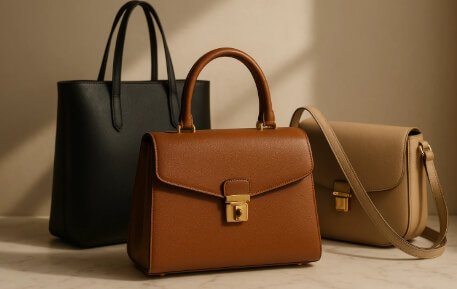
Longchamp’s Australian women’s collection demonstrates the range of options available, including different sizes, silhouettes, functions, colors, and leather styles. The collection includes designs such as handbags, shoulder bags, bucket bags, and tote shapes, allowing shoppers to compare different approaches to everyday carrying.
Consider Quality and Craftsmanship
When buying a handbag that you expect to use regularly, construction is worth considering carefully.
Consistent stitching, secure hardware, well-finished edges, and strong handle attachments can contribute to the overall longevity of a bag. Material quality is also important, particularly when the handbag is expected to handle frequent use.
A well-constructed design can remain useful for years, making the original purchase more meaningful than choosing an accessory based only on a temporary trend.
This does not mean every person needs the most expensive handbag available. Instead, focus on whether the construction, material, and features justify the intended use.
Caring for Your Handbag
Proper care can help preserve the appearance of a leather handbag.
Avoid exposing leather unnecessarily to excessive moisture, heat, or direct sunlight. When the bag is not being used, storing it in a suitable protective cover can help reduce exposure to dust and environmental conditions.
Overfilling should also be avoided because excessive contents can affect the bag’s shape and put additional pressure on handles, seams, and closures.
Different leather finishes may require different maintenance methods. Always follow the manufacturer’s care instructions and use products appropriate for the specific material.
Regular, gentle care is generally more useful than attempting aggressive cleaning after significant marks or damage have already appeared.
Building a Useful Handbag Collection
If you enjoy having several handbags, each one can serve a different purpose.
A structured medium-sized bag may work well for professional settings. A relaxed shoulder design can become a weekend option, while a compact style can be reserved for evenings.
This approach creates variety without requiring every handbag to perform the same role. It can also help prevent unnecessary purchases because you can identify which functions are already covered by the bags you own.
The goal is not simply to collect more accessories but to create a selection that genuinely supports your lifestyle.
Three Common Questions
1. What should I consider before buying a handbag?
Consider your daily routine, preferred size, carrying method, wardrobe colors, interior organization, material, and the occasions for which you intend to use the bag.
2. Is a leather handbag suitable for everyday use?
A leather handbag can be suitable for everyday use when its size, construction, and design match your lifestyle. Proper care and storage can also help maintain its appearance over time.
3. How can I make a handbag last longer?
Avoid overfilling it, protect it from unnecessary moisture and direct sunlight, store it appropriately when not in use, and follow the manufacturer’s specific care instructions for the material.
Conclusion
Choosing a handbag is a balance between personal style and practical requirements. A leather design can provide a refined appearance while offering the versatility needed for everyday dressing.
The most useful approach is to start with your lifestyle. Consider what you carry, how frequently you use a bag, where you take it, and which clothes you already own. Then evaluate size, shape, material, organization, carrying options, color, and construction.
A thoughtfully selected handbag can become a dependable part of a wardrobe rather than simply another fashion purchase. By focusing on both function and design, you can choose an accessory that feels comfortable, complements your personal style, and remains useful across different occasions.
When comparing available designs, leather handbag collections can provide inspiration for finding a style that fits different everyday needs.