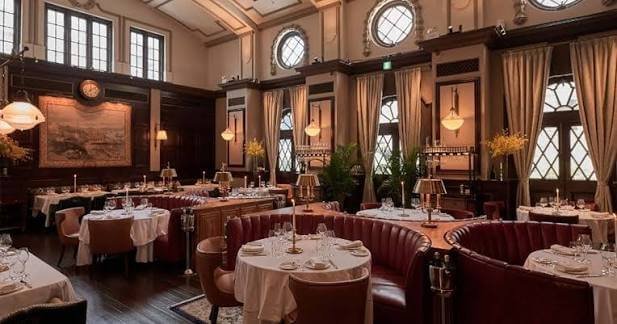

Dining out is often about more than selecting a meal. The location, atmosphere, service and surrounding neighbourhood can all shape how people experience a restaurant. In a city as diverse as Hong Kong, each district offers a different dining environment, from lively streets and shopping areas to waterfront settings.
Tsim Sha Tsui is particularly popular with residents and visitors because of its combination of shopping, entertainment, hotels and restaurants. For anyone planning a meal in the area, understanding what makes a restaurant suitable can help create a more enjoyable experience.
Why Location Matters When Choosing a Restaurant
A restaurant’s location can influence the entire dining experience. Some diners prefer a venue close to shopping centres or public transport, while others may prioritise a quieter setting for conversations and special occasions.
Tsim Sha Tsui offers several advantages for people exploring Hong Kong. Its central position in Kowloon makes it accessible from different parts of the city, and the district has a wide range of restaurants catering to different tastes and budgets.
When selecting a restaurant, consider travel time, nearby attractions and whether the location suits the occasion.
Understanding What Makes a Steakhouse Stand Out
A steakhouse typically places grilled or prepared meat at the centre of its menu. However, a strong dining experience depends on several factors, including ingredient quality, cooking consistency, menu variety and hospitality.
Diners may want to review the available cuts, side dishes, sauces and preparation options before visiting. Clear menu descriptions help guests understand what they are ordering and compare choices according to their preferences.
The restaurant’s approach to ingredient sourcing and food preparation can also be worth considering.
Exploring a Tsim Sha Tsui Steakhouse
Anyone researching a tsim sha tsui steakhouse should consider the type of occasion and atmosphere they have in mind.
A restaurant in this district may be suitable for a business meal, a relaxed dinner or a celebration. The best choice depends on factors such as menu options, seating arrangements, service style and convenience.
Checking the restaurant’s official information before visiting can help clarify its current menu and dining arrangements.
Understanding Different Steak Cuts
Steak menus may include several cuts with distinct textures and flavours.
- Ribeye: Often valued for its marbling and rich flavour.
- Tenderloin: Known for its tender texture and relatively lean profile.
- Strip steak: Offers a balance of tenderness and beef flavour.
- Sirloin: A versatile option with a firmer texture.
- T-bone: Combines two different cuts around a central bone.
Personal preference plays an important role. Some diners enjoy a richer cut, while others prefer a leaner option.
The Importance of Cooking Technique
The preparation of steak requires attention to heat, timing and the characteristics of the selected cut. Grilling and pan-searing are common methods, each creating a distinctive surface texture.
Temperature control helps achieve the requested level of doneness. Diners may prefer rare, medium rare, medium or well done, depending on taste.
A restaurant should communicate clearly about preparation options and follow appropriate food-safety procedures.
Beyond the Main Course
Side dishes and accompaniments can make a meal more balanced. Vegetables, potatoes, salads and sauces are common choices at steak-focused restaurants.
A well-designed menu gives guests options without making the main ingredient feel secondary. It may also offer dishes suitable for people who do not eat steak.
For group dining, menu variety is especially useful because guests may have different preferences.
Atmosphere and Service
Lighting, seating, interior design and noise levels influence how comfortable diners feel. A formal environment may suit business meetings, while a more relaxed setting may be better for family gatherings.
Service also matters. Staff should be able to explain menu items, answer questions and accommodate reasonable requests where possible.
Guests with food allergies or dietary restrictions should communicate these requirements before ordering.
Planning a Visit
Before visiting a restaurant in Tsim Sha Tsui, consider the number of guests, preferred dining time and occasion. Reservations may be useful during busy periods, weekends or holidays.
It is also sensible to check current opening hours, menu information and any specific booking conditions. Planning ahead can make the visit more convenient.
Frequently Asked Questions
1. What should I consider when choosing a steakhouse in Tsim Sha Tsui?
Consider the menu, steak options, location, atmosphere, service and budget. Checking the restaurant’s current information before visiting is also helpful.
2. Are different steak cuts suitable for different preferences?
Yes. Ribeye is often selected for its marbling, while tenderloin is known for tenderness. The preferred cut depends on individual taste.
3. Should I reserve a table in advance?
A reservation can be useful during busy dining periods or for larger groups. Check the restaurant’s booking arrangements before travelling.
Conclusion
Choosing a restaurant in Tsim Sha Tsui involves more than comparing menus. Location, food preparation, atmosphere and service all contribute to the experience. By considering the occasion and reviewing restaurant information beforehand, diners can make a more suitable choice for their plans.