ByJohn A
Circular Domed Roof Lights: Features, Benefits, and Installation Considerations
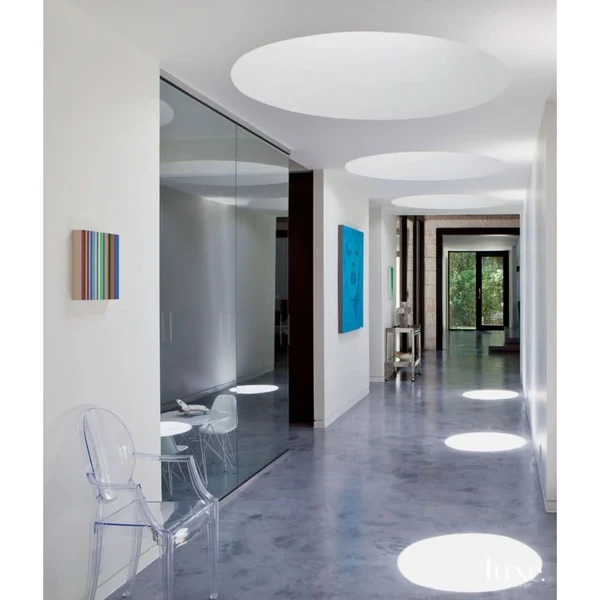
Natural daylight can make a noticeable difference to the appearance and usability of a building. Rooms beneath flat roofs often receive limited sunlight because they lack windows positioned high enough to bring light deep into the space. Circular domed roof lights offer a practical way to address this problem while adding a distinctive architectural feature to a property.
Their curved shape, range of material options and suitability for flat roofs make them useful for residential extensions, commercial premises and public buildings. However, selecting the right product requires attention to glazing, dimensions, roof construction, insulation and installation methods.
What Are Circular Domed Roof Lights?
Circular domed roof lights are roof-mounted glazing units with a rounded or hemispherical profile. Unlike flat roof windows, which sit relatively close to the roof surface, domed designs rise above it. This shape allows daylight to enter from different angles throughout the day.
The dome may be manufactured from acrylic, polycarbonate or other glazing materials, depending on the product specification. Some designs feature a single outer dome, while others use multiple layers to improve thermal performance.
These roof lights are commonly installed on flat or low-pitched roofs. They can be found in kitchens, hallways, stairwells, offices, warehouses and other areas where conventional windows provide insufficient daylight.
Their circular appearance also suits projects where a softer architectural detail is preferred over rectangular roof glazing.
Main Features to Consider
Circular domed roof lights come in different materials, sizes, and designs to suit various roofing requirements and daylighting needs.
Curved glazing profiles
The curved surface is one of the defining characteristics of a domed roof light. It can collect daylight from multiple directions, including periods when the sun is not directly overhead.
The raised profile can also help rainwater drain away from the glazing, provided the unit is correctly designed and installed. Effective drainage reduces the likelihood of standing water and the accumulation of certain types of debris.
Choice of glazing materials
Acrylic is often selected for its relatively low weight and good light transmission. Polycarbonate is another option, particularly where impact resistance is a priority. Glass may be available in selected domed systems, although its weight and structural requirements need careful consideration.
Material choice affects clarity, durability, insulation and maintenance. Buyers should compare the actual specifications of individual products rather than assuming all domed roof lights offer similar performance.
Fixed and opening designs
Fixed circular roof lights provide daylight without a ventilation function. Opening versions can allow warm air to escape and introduce fresh air, which may be helpful in kitchens, utility rooms and other areas prone to heat or moisture.
Opening mechanisms vary by manufacturer. Some are manually operated, while others use electric controls. The intended use of the room should guide this decision.
Different sizes and finishes
Circular domed units are available in different diameters to suit varied roof openings. A larger dome may illuminate a wider area, but the result depends on ceiling height, room layout, glazing performance and the amount of daylight available outside.
The external kerb, frame and internal finish should also be considered so the unit fits the building’s appearance and construction.
Benefits of Circular Domed Roof Lights
These roof lights bring natural daylight indoors, improve the feel of interior spaces, and may provide ventilation when opening models are installed.
Better access to natural daylight
A roof light introduces sunlight from above, reducing reliance on artificial lighting during daylight hours. This can be especially useful in central parts of a building where light from external walls cannot reach easily.
A circular dome can spread incoming daylight across a room, although the exact distribution depends on the unit’s dimensions and the surrounding architecture.
A distinctive architectural feature
The rounded profile creates a different appearance from conventional rectangular roof glazing. It can work well in contemporary extensions, traditional properties and commercial buildings that need practical daylighting without an oversized glazed roof area.
The shape may also suit spaces with circular design details, curved ceilings or minimalist interiors.
Potential ventilation benefits
An opening model can support natural ventilation by allowing warm air to escape through the roof. Since warm air tends to rise, high-level openings may help release heat that gathers near the ceiling.
Ventilation performance depends on the opening area, indoor conditions, outdoor wind and the availability of suitable replacement air. A roof light should therefore be considered as part of the room’s overall ventilation plan.
Efficient use of roof space
A domed unit can provide overhead daylight without taking up wall space needed for storage, furniture or other fittings. This is useful in compact rooms and buildings where wall openings are restricted.
It can also improve the usability of corridors, landings and internal circulation areas that might otherwise remain poorly lit.
Installation Considerations
Proper structural support, effective waterproofing, suitable insulation, and safe roof access are essential for a reliable installation.
Check the existing roof structure
Before installation, the roof must be assessed to establish whether it can accommodate the opening and the weight of the selected unit. Cutting through roof joists or structural components without appropriate planning can compromise the building’s integrity.
A competent installer should identify the required opening size, supporting framework and any structural reinforcement before work begins.
Select a suitable kerb
Many domed roof lights are fitted onto a raised kerb or upstand. This provides a mounting surface and helps connect the unit to the waterproof roof covering.
The kerb height, dimensions and material must match the product requirements and roof system. An unsuitable upstand can create problems with weatherproofing, insulation and the finished appearance.
Protect against water ingress
Roof penetrations require careful detailing because even a small weakness can allow water into the building. Flashings, seals and waterproof membranes must be installed in accordance with the roof covering manufacturer’s instructions.
The installer should also confirm that water can drain around the unit and that the surrounding roof does not create areas where rainwater collects.
Maintain insulation and airtightness
The area around the opening can become a source of heat loss if insulation is interrupted or gaps remain around the frame. Proper insulation and airtight connections help reduce unwanted heat transfer and condensation.
Buyers should compare thermal performance figures, including the whole-unit U-value where available. A low U-value generally indicates better resistance to heat transfer, although the complete roof assembly also affects performance.
Plan safe access
Installation and future maintenance may require working at height. Appropriate access equipment, fall protection and safe working procedures should be arranged before work begins.
Opening roof lights also need suitable controls and hardware that can be reached safely. Electrical models should be installed by appropriately qualified professionals where required.
Maintenance and Long-Term Care
Routine inspection helps preserve the appearance and performance of a domed roof light. The glazing should be cleaned with products approved by the manufacturer, since abrasive materials or unsuitable chemicals may damage its surface.
Check seals, frames and surrounding roof coverings for cracks, loose fittings or signs of water ingress. Leaves and other debris should be cleared from the surrounding area so drainage remains effective.
Polycarbonate and acrylic products may develop surface scratches or weather-related changes over time. The expected service life varies according to material quality, exposure and maintenance.
Opening mechanisms should also be checked periodically to ensure they operate correctly. Any signs of persistent condensation between glazing layers may indicate a problem that needs professional assessment.
Choosing the Right Product for a Building
The best circular domed roof light depends on the building’s purpose and the conditions at the installation site. A small fixed dome may be sufficient for a landing, while a larger opening unit may be more appropriate for a room that needs additional ventilation.
Compare dimensions, light transmission, thermal performance, impact resistance, warranty conditions and compatibility with the existing roof covering. Planning requirements and building regulations should also be checked, particularly where structural alterations, fire safety or energy efficiency are involved.
Circular domed roof lights can provide practical daylight and an attractive roof detail when chosen carefully. Sound product selection, suitable structural preparation and professional weatherproofing help ensure the installation performs reliably over the long term.