ByJohn A
Why Dual Boiler Espresso Machines Are Taking Over Home Coffee Setups
For decades, home coffee brewing was defined by compromise. If you wanted a rich, café-quality espresso topped with velvety microfoam, you either had to master a manual lever machine or endure the frustrating wait times of a single boiler setup. Single boiler and heat-exchanger machines dominated kitchen counters for years, but they brought a glaring limitation: they couldn’t efficiently pull an espresso shot and steam milk at the exact same time. Enter the dual boiler era. Once reserved strictly for high-end commercial coffee shops, these precision machines are rapidly becoming the ultimate upgrade for home baristas.
As coffee culture evolves, consumers are demanding control, consistency, and speed. Here is a look at why dual boiler setups are redefining the home coffee experience and why they might just be the best investment for your morning routine.
The Dual Boiler Advantage: How It Actually Works
To understand why dual boiler technology is taking over, it helps to understand the fundamental physics of brewing espresso versus steaming milk. Water for espresso needs to be delivered at a stable temperature around 195°F to 205°F (90°C to 96°C). Milk steaming, on the other hand, requires steam, which means water must be heated above its boiling point to around 250°F (121°C) to create high pressure.
In a traditional single boiler machine, a single chamber handles both jobs. This means pulling a shot, waiting for the boiler to heat up to steam temperature, frothing your milk, and then cooling the boiler back down if you want to make another drink. Heat exchanger machines improved on this by running a steam boiler with a pipe passing through it for brew water, but temperature control remained tricky and prone to overheating.
Dual boiler machines solve this problem by isolating the two processes entirely:
- Dedicated Brew Boiler: Maintained at precise, lower temperatures solely for espresso extraction.
- Dedicated Steam Boiler: Maintained at higher temperatures and pressure for continuous, powerful steam production.
By separating these tasks, you eliminate temperature surfing, waiting periods, and inconsistent extractions.
See also: Why People Still Enjoy Playing Ludo on Their Smartphones
Instant Workflow: Simultaneous Pulling and Steaming
The most immediate benefit of upgrading to a dual boiler machine is the seamless workflow. For anyone who makes milk-based drinks like lattes, flat whites, or cappuccinos—especially when hosting guests or preparing multiple drinks in the morning—the time savings are massive.
With two active boilers operating independently, you can start extracting your espresso shot and instantly begin purging and steaming milk. Your shot finishes right as your milk hits that silky, microfoam sweet spot. Instead of taking ten minutes to craft two lattes back-to-back, a dual boiler setup allows you to churn out drinks in a fraction of the time. This efficiency transforms making morning coffee from a clunky chore into an enjoyable, professional-feeling ritual.
Thermal Stability: The Key to Exceptional Extraction
Espresso extraction is notoriously finicky. A fluctuation of just two or three degrees in water temperature can be the difference between a bright, sweet espresso and a sour or bitter mess. Single boiler systems naturally experience temperature drops as freshwater enters the boiler during a pull.
Dual boilers deliver unmatched thermal stability. Because the brew boiler is smaller and does not need to produce steam, PID (Proportional-Integral-Derivative) controllers can regulate water temperature with extreme precision. The water hitting your coffee grounds stays locked at your target temperature from the first second of the shot to the last. This consistency allows you to dial in specialty light-roast beans, extract subtle fruity or floral tasting notes, and repeat great results day after day.
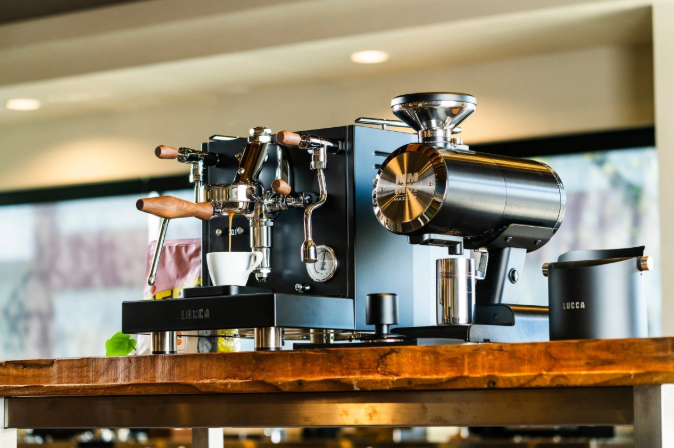
When building out an elevated kitchen setup, investing in a high-grade home espresso system equipped with dual boilers ensures you won’t outgrow your gear as your barista skills advance.
Commercial-Grade Steam Power at Home
If you have ever tried to steam milk on an entry-level machine, you know the struggle: weak pressure, slow steaming times, and watery milk texture. Because single-purpose steam boilers in dual boiler machines are built specifically to maintain high pressure, they deliver commercial-grade performance.
Strong steam pressure does more than just heat milk quickly; it rolls the milk inside the pitcher, creating microfoam—the ultra-smooth mixture of tiny air bubbles and liquid milk essential for poured latte art and a luxurious mouthfeel. With a dedicated steam boiler, you get instant, dry steam on demand without draining power or heat from your brewing system.
The Shift in Home Coffee Culture
Why are home baristas making this switch now? Several factors are driving the surge in popularity for dual boiler setups:
- The Rise of Specialty Coffee: More consumers are buying single-origin, specialty coffee beans. High-end beans require precise temperature management to taste their best, pushing enthusiasts toward gear that offers total control.
- Work-From-Home Lifestyles: As more people work remotely, daily coffee shop runs have been replaced by home brewing routines. The money saved on daily $6 lattes makes high-end equipment easier to justify over time.
- Accessibility and Modern Design: In the past, dual boiler machines were bulky, industrial boxes that required direct plumbing and heavy power draws. Today, sleek and user-friendly options like a modern dual boiler espresso machine bring commercial performance to standard kitchen countertops without requiring complex installation.
What to Consider Before Upgrading
While dual boiler machines offer incredible performance, they aren’t necessary for everyone. Before making the leap, keep a few factors in mind:
- Footprint and Counter Space: Dual boilers contain two heating units and often larger water reservoirs, meaning they generally take up more counter space than compact single boiler units.
- Warm-Up Time: Heating two separate boilers takes time. While many modern machines feature smart heating elements or programmable timers, older or traditional models may need 15 to 30 minutes to warm up completely.
- Power Requirements: Running two heating elements requires sufficient power, so ensure your kitchen outlet can support the machine’s wattage without tripping circuits.
- Drinking Habits: If you primarily drink black espresso or Americanos and rarely make milk drinks, a high-end single boiler with PID temperature control might serve your needs just as well.
Final Thoughts
The rapid rise of dual boiler espresso machines in home kitchens represents a permanent shift in consumer expectations. Coffee lovers are no longer satisfied with convenient approximations of cafe drinks; they want authentic, precision-extracted espresso and perfectly textured milk without leaving the house. By delivering uncompromising thermal stability, simultaneous shot pulling and steaming, and commercial-grade reliability, dual boiler machines have earned their place as the gold standard for the modern home coffee setup.